
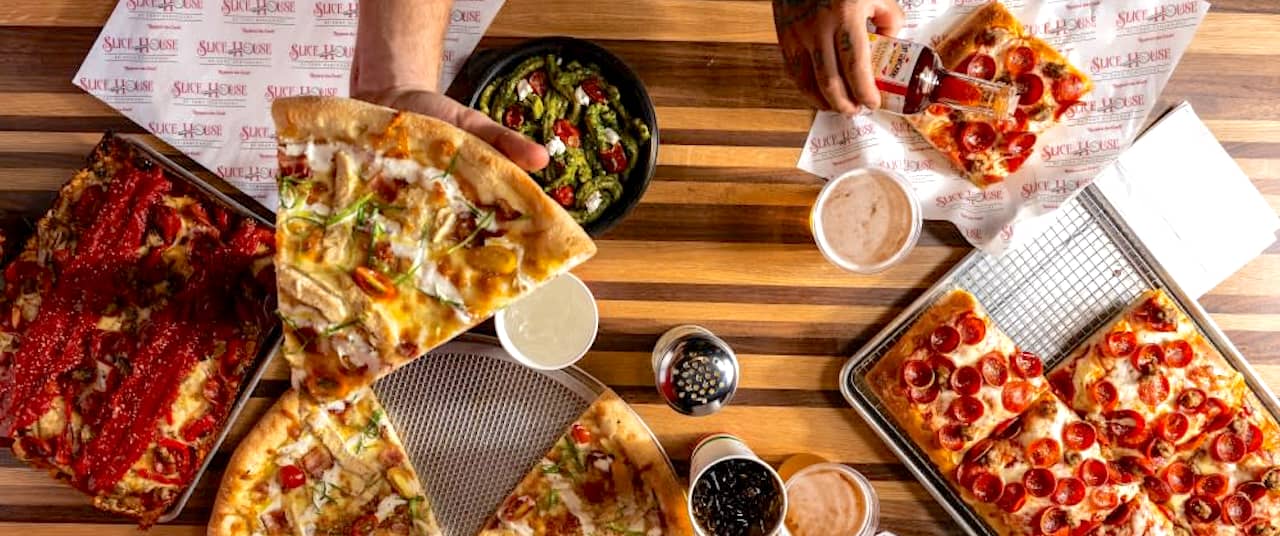
Pizza isn’t just food—it’s a global phenomenon, a comfort blanket in carb form, and arguably the most democratic meal on the planet. Whether you’re folding a thin-crust Neapolitan in Naples, wrestling with a deep-dish behemoth in Chicago, or debating the merits of pineapple (yes, Hawaiian pizza has its defenders), pizza transcends borders, classes, and dietary debates. In a world that’s increasingly fast-paced and fragmented, pizza remains a unifier: a pie that says, “Let’s share this mess together.” But where did it all begin, and why does it hold such sway? Let’s slice into the story of pizza.
The Humble Origins: From Flatbread to Icon
Pizza’s roots stretch back millennia, but its modern form is a tale of Italian ingenuity and American ambition. The concept of flatbreads topped with simple ingredients dates to ancient civilizations—think Egyptian foccacia-like breads or Persian soldiers baking dough on shields in the 6th century BCE. Fast-forward to 18th-century Naples, where the working-class poor in the city’s bustling streets created pizza as an affordable, portable meal. Tomatoes, introduced to Europe from the Americas in the 16th century, were initially eyed with suspicion (poisonous fruit? No thanks), but by the 1700s, they became the star of the show.
The pivotal moment came in 1889, when Queen Margherita of Savoy visited Naples. Raffaele Esposito, a local pizzaiolo (pizza maker), crafted three pies: one with cheese and basil (white, red, and green—the colors of the Italian flag), one with garlic and oil, and the classic Margherita with tomato, mozzarella, and basil. The queen’s favorite? The tricolor masterpiece, which immortalized the Margherita as pizza’s royal ambassador. From there, pizza emigrated with Italian immigrants to the U.S. in the late 19th and early 20th centuries, evolving from street food to a staple in places like New York City’s Little Italy.
By the mid-20th century, post-World War II America turbocharged pizza’s rise. Veterans returning from Italy craved it, and entrepreneurs like Ike Sewell (Chicago deep-dish pioneer) and the founders of Pizza Hut and Domino’s turned it into a billion-dollar industry. Today, the global pizza market is valued at over $145 billion, with Americans alone devouring about 3 billion pizzas annually—enough to circle the equator 350 times if laid end to end.
A World of Styles: No Two Pies Are Alike
Pizza’s beauty lies in its adaptability. What starts as simple dough, sauce, and cheese morphs into regional love letters around the globe. Here’s a quick tour of the heavy hitters:
| Style | Origin | Key Features | Pro Tip |
|---|---|---|---|
| Neapolitan | Naples, Italy | Soft, chewy crust; San Marzano tomatoes; fresh mozzarella; wood-fired at 900°F for 90 seconds. | Pair with a crisp Peroni beer—authenticity demands it. |
| New York | New York City, USA | Thin, foldable slices; large pies; robust tomato sauce; low-moisture mozzarella for that greasy glory. | Eat standing up at a counter; it’s the NYC way. |
| Chicago Deep-Dish | Chicago, USA | Thick, buttery crust like a pie; cheese on bottom to prevent sogginess; loaded with toppings; baked in a cast-iron pan. | It’s a fork-and-knife affair—don’t fight it. |
| Sicilian | Sicily, Italy (via U.S. influence) | Square, focaccia-like; spongy dough; often topped with breadcrumbs or anchovies. | Grandma’s recipe reigns supreme in Brooklyn. |
| Detroit | Detroit, USA | Rectangular, motor-city tough; crispy edges from cheese touching the pan; house-made sauce. | Quest for the perfect “crackery” edge. |
| Calzone | Italy | Folded pizza pocket; portable and stuffed; variations include the stromboli (American twist). | Dip in marinara—never eat it dry. |
And let’s not forget global twists: India’s tandoori chicken pizza, Japan’s mayo-drizzled seafood pies, or Brazil’s catupiry cheese-loaded versions. Even vegan and gluten-free options have exploded, with plant-based mozzarellas fooling even the purists.
The Anatomy of a Perfect Pie: Ingredients and Science
At its core, pizza is alchemy: flour, water, yeast, and salt become dough; heirloom tomatoes simmer into sauce; buffalo milk curdles into mozzarella. But science elevates it. The Maillard reaction— that golden-brown crisp from high heat—creates umami magic. Hydration levels in dough (60-70% water) dictate chewiness, while fermentation (letting dough rise slowly) builds flavor complexity.
Toppings? Endless debate fodder. Classics like pepperoni (America’s favorite, accounting for 36% of orders) or margherita keep it pure, but experiments abound: truffle oil, figs and prosciutto, or the controversial Hawaiian with ham and pineapple (invented in Ontario, Canada, in 1962—fight me). Fun fact: The average American eats 46 slices a year, but if you’re topping that, you’re in elite company.
DIY Pizza: From Scratch to Oven in Under an Hour
Want to channel your inner pizzaiolo? It’s easier than you think. Start with a no-knead dough: Mix 500g flour, 325ml warm water, 1 tsp yeast, 2 tsp salt, and a drizzle of olive oil. Let it rest 30 minutes, then bake at 500°F on a preheated stone. Sauce? Blend canned San Marzanos with garlic, oregano, and salt. Cheese: Fresh mozz for melt, parm for sharpness. Top sparingly—less is more for even cooking.
Pro hack: Use a pizza peel dusted with semolina to slide it in. In 10-15 minutes, you’ve got homemade bliss. (And if you’re feeling fancy, try the sourdough levain method for that tangy edge.)
Pizza in Pop Culture: More Than Just a Meal
Pizza’s not confined to plates—it’s woven into our stories. From Teenage Mutant Ninja Turtles chowing down in the sewers to The Sopranos grabbing a quick slice, it’s shorthand for casual cool. Songs like Dean Martin’s “That’s Amore” (“When the moon hits your eye like a big pizza pie…”) and John Travolta’s Grease dance number keep it crooning. In 2025, pizza trends lean into sustainability—think lab-grown cheese and zero-waste doughs—while TikTok challenges like #PizzaPull test meltiness in viral glory.
It’s also a social equalizer: Delivery apps like DoorDash report pizza as the top comfort food during global events, from pandemics to elections. In Italy, UNESCO recognized Neapolitan pizzaiuolo as intangible cultural heritage in 2017, affirming its soul-stirring status.
The Final Slice: Why Pizza Endures
In an era of kale smoothies and air-fried everything, pizza persists because it’s forgiving, joyful, and profoundly human. It’s the meal you order at 2 a.m. after heartbreak, the one you share at birthdays, the canvas for creativity when life feels bland. As we navigate 2025’s uncertainties—from AI ovens to plant-based revolutions—pizza reminds us: Sometimes, the best things are simple, saucy, and shared.
So next time you bite into that gooey triangle, raise a slice to the pie that conquered the world. What’s your go-to topping? The debate rages on—may the best crust win.